

SCRATCH PROTECTION FILM · CARRIER AND ADHESIVE
Scratch protection film by carrier material and adhesive
Protect sensitive surfaces from scratches during processing, assembly or use. Select a film for the substrate, the protection needed and its planned removal; Krückemeyer GmbH will assess suitable cuts for your component.
01
Selection criteria
Select scratch protection film for the surface and task
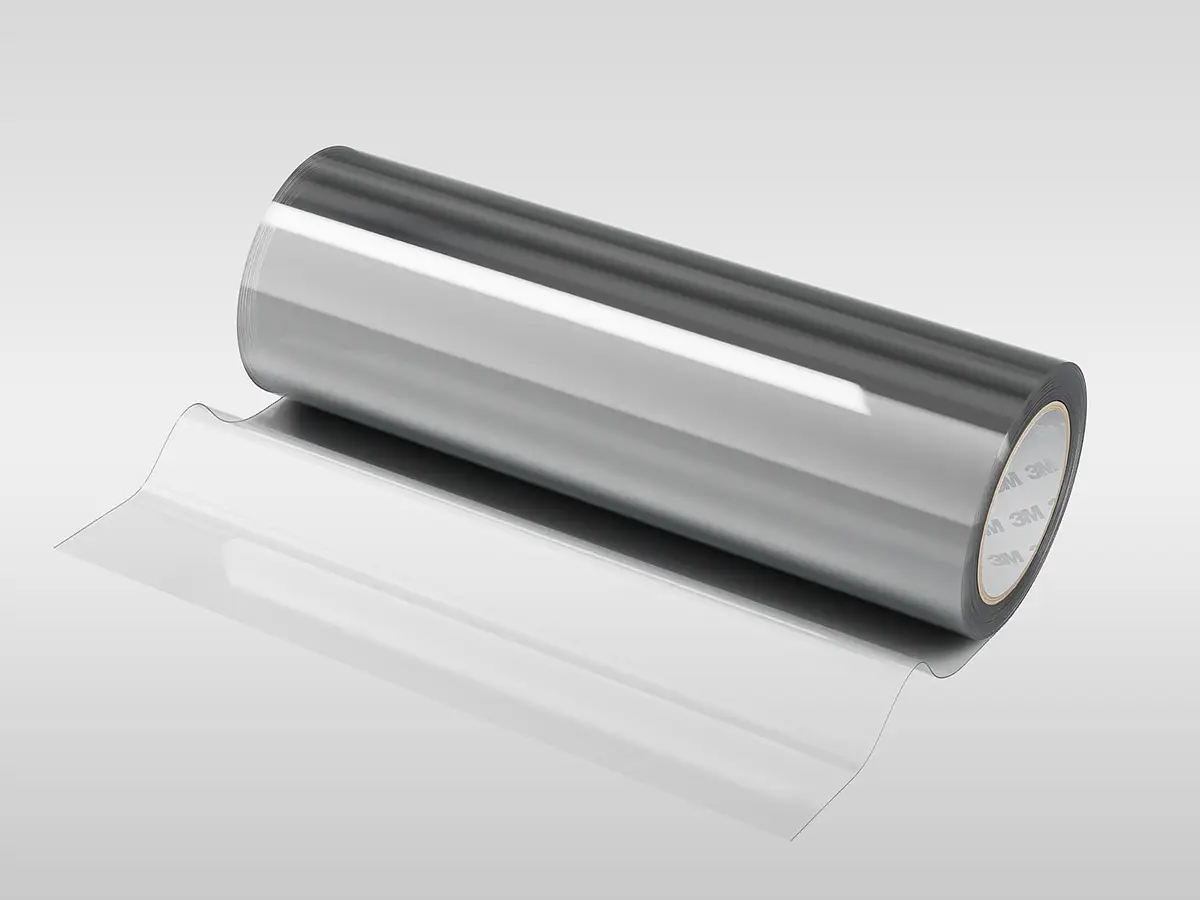
Start with the surface to be protected and how scratching may occur: during handling, assembly or later use. Determine whether the film is needed temporarily or is to remain on the component as a protective layer. Clarity, film construction, adhesive and suitability for the substrate depend on the specific product. Protection against abrasion and scratching of industrial surfaces is documented for 3M Industrieschutzfolie 7070UV and 7071UV; other protective laminates are intended, for example, for graphics and labels.
02
SCRATCH PROTECTION FILMS IN THE RANGE
Protective films for surfaces in the range
The listing contains protective films with different carriers and purposes. Compare each product's specifications against your substrate and intended use.
No products found
No products are currently listed in this category. Request a call back and we will help you find the right product.
Request a callback03
SELECT FOR YOUR SURFACE
Which scratch protection film suits the component?
Selection depends on the substrate, possible abrasion or impacts, environmental conditions and the required service period. A protective film for an industrial component serves a different purpose from an overlaminate for printed graphics. For 3M Industrieschutzfolie 7070UV and 7071UV, a paper liner supports cutting and die cutting; check the suitability of the converted shape and adhesive on the actual component. Tell us the surface, geometry, protection stage and planned removal so we can narrow down the material and cut together.
04
QUESTIONS ABOUT SCRATCH PROTECTION
Which surfaces can a scratch protection film protect?
That depends on the specific product and substrate. 3M Industrieschutzfolien 7070UV and 7071UV can protect industrial surfaces against abrasion, scratches, erosion, UV exposure and minor impacts. A protective laminate, by contrast, may be intended for printed graphics or labels. Specify the surface material, its coating and the expected exposure. Test adhesion and compatibility on the actual component before applying the film over a large area.
How do temporary scratch protection and a protective laminate differ?
They differ in intended use and in the construction of the particular product. Temporary protection is selected for a defined stage, such as transport or assembly, and then removed. A protective laminate remains as an additional layer on a graphic or label. The relevant question is how the particular product is designed to be used and removed. The term scratch protection film alone gives no assurance of residue-free removal or a particular service life.
What information is needed to cut scratch protection film?
Provide the surface material and condition, the area to protect, the contour, dimensions and intended application method. For 3M Industrieschutzfolie 7070UV and 7071UV, the paper liner supports cutting and die cutting. Krückemeyer GmbH can process suitable base materials into sizes and shapes suited to the application. Whether a specific film, cut piece or die-cut part is suitable depends on the material, geometry and subsequent use.
When can the protective film be removed?
When and whether the protective film can be removed without residue depends on the specific product, substrate and exposure during use. Check the intended protection period and removal conditions in the product information. A trial on the actual component is advisable, especially for sensitive, coated or recently processed surfaces. Tell us whether the film will be removed during assembly or remain on the finished product.
05
Request advice
Describe the surface to protect, the expected exposure and the required supply form. We will assess with you which film and converting option may suit the application.
Enquire about film for your component
Tell us the substrate, protection task and required shape. We will assess a suitable film and possible converting options.

SCRATCH PROTECTION FILM ADVICE
Thomas Klein
Contact for products
Discuss the substrate, expected exposure and desired protective film format with Thomas Klein.