
PROTECT SURFACES DURING PROCESSING
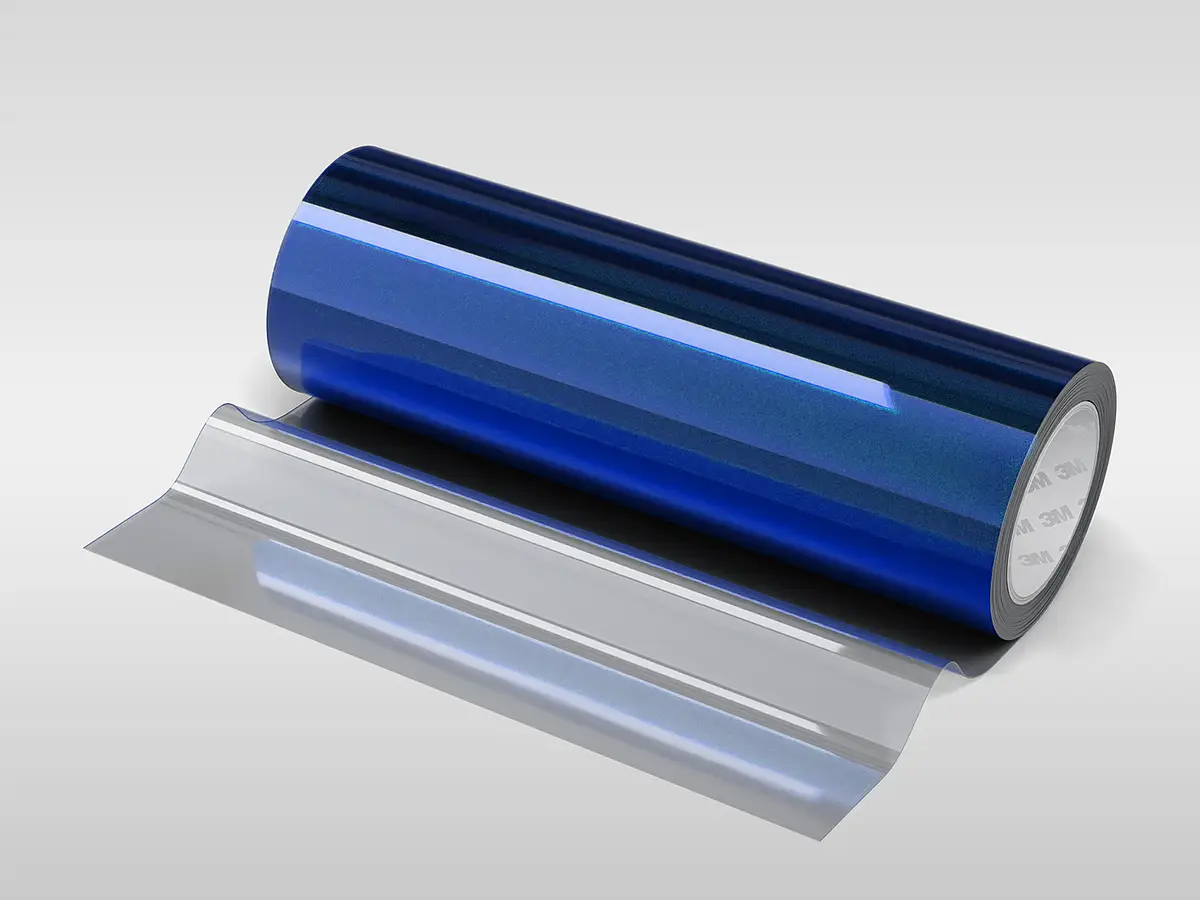
Surface protection film for processing and transport
Surface protection films help protect sensitive component surfaces from dirt and damage during processing, storage and transport. The substrate, the protection task and the point of removal determine the choice. Krückemeyer GmbH supports you with product selection and converting to suit your application.
01
Selection criteria
First clarify substrate, protection task and removal
Specify the surface to be protected and the stresses in your process: dirt, mechanical contact, moisture and paint splashes call for different solutions. Compare the backing, adhesive, adhesion and processing instructions for each product. Establish how long the film will remain on the component and under which conditions it will be removed. A film described as removable is not automatically suitable for every coating, plastic or service life.
02
PROTECTION FILM RANGE
Protection films for surfaces in the range
The protected listing shows products in the protection film category. Check the individual product details to see which film is intended for your substrate and protection task.

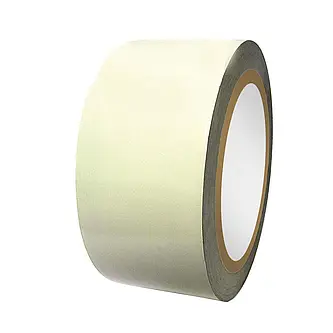
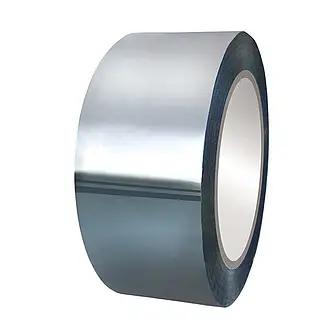
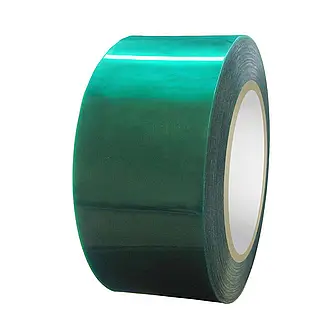
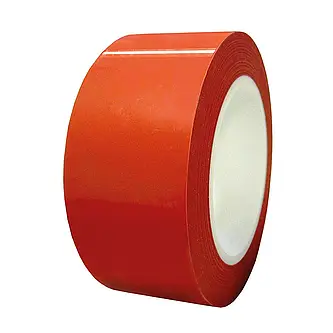
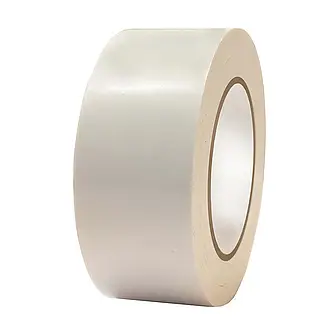
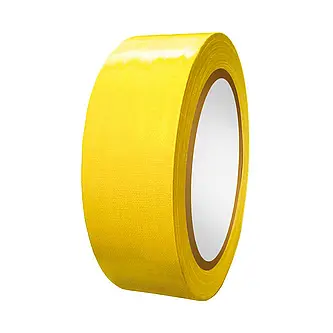
adhesive tape
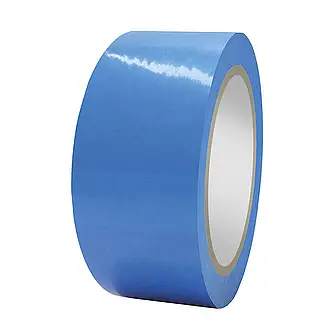
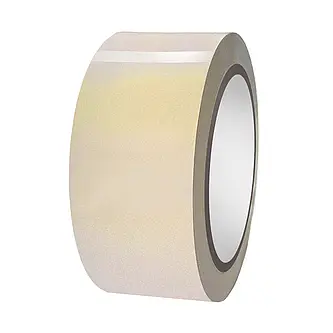
RK 721/325 Scratch-Resistant Protective Film - 300 mm x 25 m - yellow
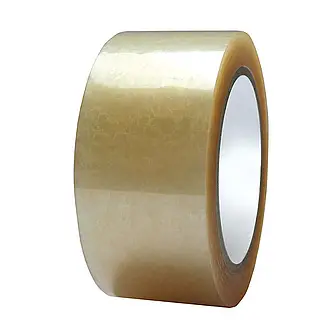
No products match this combination.
No products match all of the selected filter criteria.
03
SELECTING SURFACE PROTECTION
The right film depends on the complete process
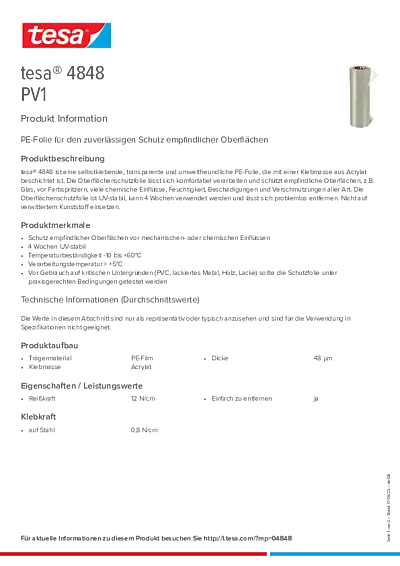
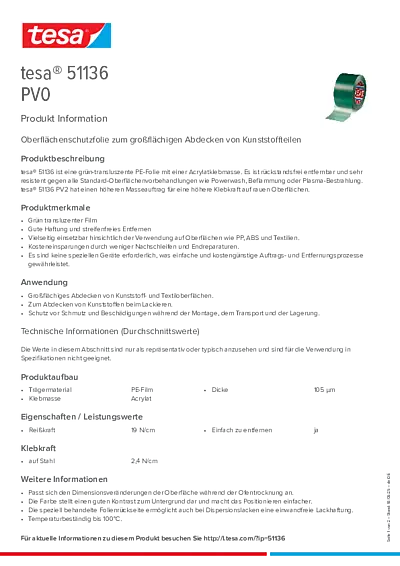
A protection film needs to adhere during the intended processing steps and then be removable as specified for the tested substrate. tesa® 4848 PV1 is described as a transparent PE film with an acrylic adhesive for protecting sensitive surfaces such as glass against paint splashes, moisture and dirt. The manufacturer specifies use for 4 weeks and requires a practical test on critical substrates; weathered plastic is excluded. By contrast, tesa® 51136 PV0 is described as a translucent green covering for plastic and textile surfaces, including during certain surface pretreatment processes. These statements apply to the products named, not to every protection film in the listing.
For your enquiry, state the surface, planned processing steps, protection period, environmental conditions and intended removal method. Add the required width or component contour and the desired supply format. Krückemeyer GmbH can cut suitable stock material or convert it into die-cut parts; material, geometry and handling are matched to your application.
04
SURFACE PROTECTION PRODUCT INFORMATION
05
SURFACE PROTECTION FILM QUESTIONS
Which surfaces can a surface protection film cover?
That depends on the specific product and the condition of the surface. For example, tesa® 4848 PV1 names sensitive surfaces such as glass, but excludes weathered plastic and requires testing under practical conditions on critical substrates. tesa® 51136 PV0 describes plastic and textile surfaces, including PP and ABS. Do not transfer these statements to other films or surfaces: the condition of a coating, surface texture, pretreatment and planned removal must be assessed on the actual component.
How long may a surface protection film remain on a component?
The relevant period is the service life documented for the selected product under its intended conditions. The product information for tesa® 4848 PV1 specifies use for 4 weeks; that is not a general time limit for protection films. With tesa® 50551, protecting painted and chrome surfaces during transport is the stated purpose. Match the planned period, indoor or outdoor exposure and subsequent removal to the individual product, and test critical surfaces in practice.
What should be checked before removing a protection film?
Check what type of removability is documented for that exact film on your substrate and whether the specified conditions have been met. The product information for tesa® 51136 PV0 describes residue-free and streak-free removal; for tesa® 4848 PV1, easy removal is stated alongside specific limits of use. Neither statement guarantees the result on aged coatings, weathered plastics or after a different service period. Include the actual surface and protection period in your enquiry.
What information does Krückemeyer GmbH need for converted protection films?
Describe the component, its surface and what must be protected during processing, storage or transport. Include the planned service period, conditions during application and removal, shape, dimensions and preferred supply format. This provides a basis for checking suitable stock material and whether cut rolls or die-cut parts make sense in your process. Converting does not give the film or its adhesive any property that has not been documented for the material.
06
Request advice
Describe the surface, protection task, service life and removal conditions. We will review a suitable product and the required shape or supply format with you.
Discuss surface protection for your process
Tell us about the substrate, processing steps and required supply format. You can also use the enquiry list for specific products.

SURFACE PROTECTION ADVICE
Thomas Klein
Contact for products
Thomas Klein will discuss your substrate, protection period and required converting with you.